
Running a small business in Australia comes with its own set of challenges — from managing inventory and finance to

Running a small business in Australia comes with its own set of challenges — from managing inventory and finance to handling customer relationships and ensuring compliance. Investing in the right ERP software for a small business can help you organise your operations, enhance productivity, and promote growth.
In Australia, ineffective business management is a major factor in the difficulties faced by SMEs. An enterprise resource management system (ERP) is therefore a potent tool that can help us in saving a significant amount of time and money on everyday tasks. With an ERP that works for your business, you can handle finances, manage inventory, and improve customer satisfaction.
Let’s dive into the blog and explore what every small business should know before implementing ERP — plus the top 3 ERP solutions leading the Australian market.
ERP software for small business is essential since it covers all aspects of the organisation’s operations. The top three benefits of using ERP, according to businesses, were a centralised data system, improved cooperation, and faster processing times.
Effective departmental collaboration is made possible by the ERP’s unified system. Before discussing the precise ways in which an ERP might assist you, it is important to clarify a few points:
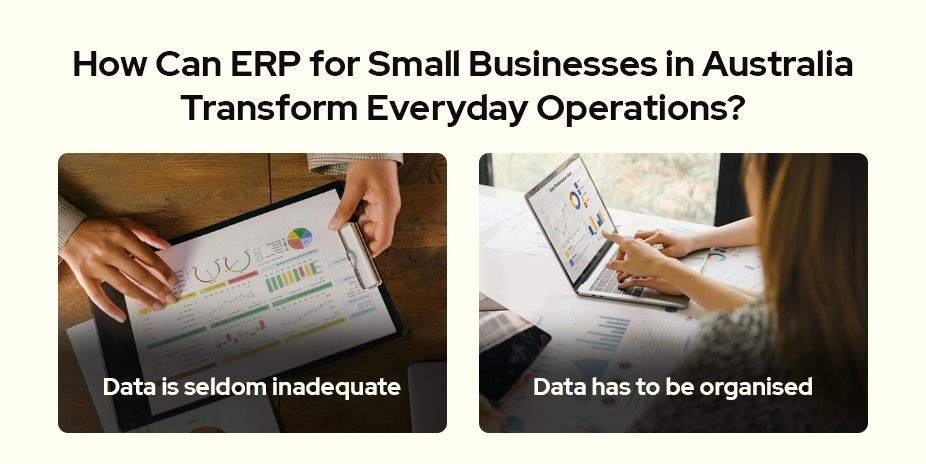
Data is rich regardless of the size of your business, and particularly in data-intensive sectors like manufacturing. ERP software may nevertheless provide useful insights from your provided data, even if your company is smaller.
To run your business effectively, you must organise your data regardless of its volume. Understanding your financial situation, raw resources, labour, and production capacity is crucial in the production industry, for example. Operating as efficiently as possible is the objective.
How can you accurately assess the state of your company without a centralised system to collect data, report on procedures, and have a comprehensive view? ERP Software for Small Businesses will benefit any business in the following ways in 2025:
Therefore, implementing ERP for small businesses in Australia is not just a technological upgrade—it’s a strategic transformation. By centralising data, streamlining collaboration, and accelerating key processes, ERP empowers businesses to make smarter decisions, reduce costly errors, and stay agile in an increasingly competitive market.
Time is of the essence when it comes to the implementation of ERP software for small businesses in Australia, and every second counts. The best solution should address the majority of your business’s needs. Accounting, payroll, human resources, time and attendance, fixed assets, CRM, inventories, and more can all fall under this category.
Let’s go through all of the factors you must look for in an ERP system:
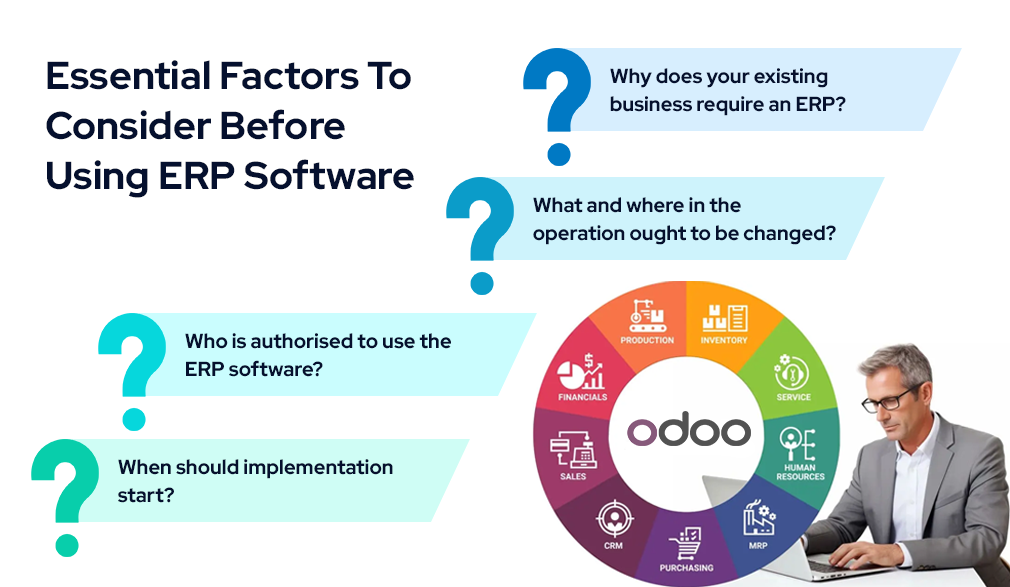
Knowing the causes of changes in the organisation can help you spot them. Consider the customer Fencing Components (FC), whose outdated software solutions had poor communication. As a result, FC sought a comprehensive solution to optimise its business procedures. Their goal was to streamline every aspect of the business to boost output and deliver exceptional customer service. You could involve a few justifications in addition to your present company requirements, like:
It is simpler to determine the connected areas that require adjustments after outlining the prior justifications. Returning to the Fencing Components situation, a number of areas need to be adjusted, including accounting, shipping, inventory control, and sales order management from various channels. In general, you may take into account elements like equipment, spreadsheet data, and administrative duties.
Clarifying your existing ERP software for small businesses and procedures, as well as how they benefit your business, is also necessary. Do you work for a food manufacturing firm that has created a unique batch and lot tracking system? Or a plastic company using a different accounting system to handle work orders and project costs? Make sure you understand your technological stack and assess the new ERP system’s adoption by employees.
Subordinates can perform responsibilities considerably more effectively if you provide them with the resources they need. Gallup’s analysis found a correlation between continuous communication and employee engagement. Better choices are made by managers and staff when they have more access to data from the company’s databases. Additionally, employees gain greater trust when they have greater access to the business’s operations and the goals of their job.
Fortunately, ERP offers more than just this type of access and promotes more efficient processes and communication. But it’s crucial to learn more about how the software works with your teams by:
When implementing ERP for small businesses in Australia, preparation and communication are important. Analyse the variables that could influence your implementation timeline and make the best possible plans for them. The following are some examples of typical impacts:
Adopting ERP software for small businesses successfully requires careful planning, effective communication, and a solid understanding of the objectives and difficulties facing your company today. Every stage is essential to a seamless transition, from determining the problems that require a shift to making sure that the correct people are involved and ready.
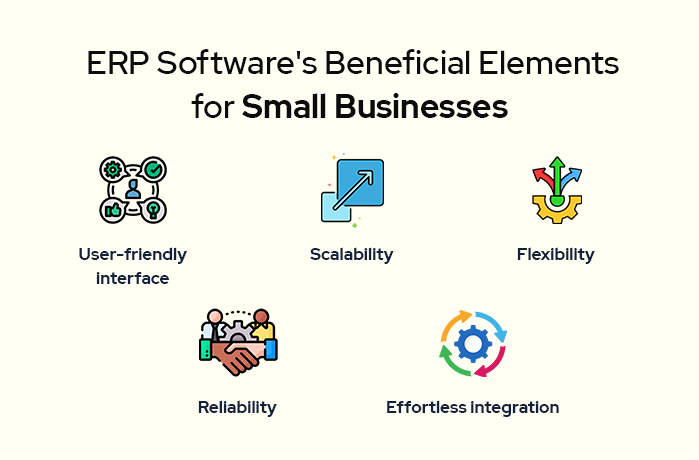
ERP for small businesses in Australia should be updated and improved frequently. Since there should always be space for improvement, there is no requirement for a “perfect” system. An excellent enterprise resource planning system must be able to expand with you and your whole company. It must be flexible enough to meet any specific requirement. All things considered, the success of an ERP system depends on the following five essential elements:
Remember that a top ERP software for small businesses depends on your particular business needs, industry, size, and financial constraints. It’s essential to assess your demands and weigh your alternatives to choose what’s best for your business’s success.
Let’s know more about the top 3 ERPs listed below that best suit your business.
Since its inception in 2005, Odoo has grown to become a major force in the ERP industry worldwide. With more than 8,000,000 users globally, it has a flourishing user base and is gaining market dominance in Australia.
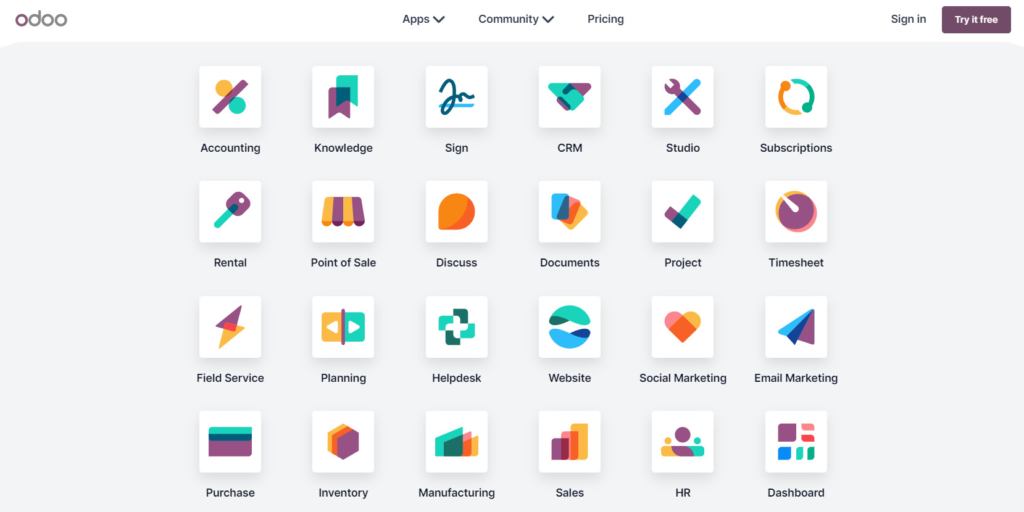
The combination of modular functionality and open-source flexibility is what sets it apart. Businesses can customise their ERP solution and only pay for what they need with the help of a library of over 10,000 possibilities. Odoo is a great option for Australian SMEs because of its affordable and adaptable strategy, user-friendly interface, and strong localisation. The best thing about odoo is:
Following Navision, a programme with over 100,000 users worldwide, Microsoft has made a very competitive entry into the ERP industry. With Outlook, Teams, LinkedIn, Power BI, Dynamics, and more, Microsoft now offers a comprehensive integrated business suite. Business Central might rank in the top three ERPs in Australia because of its dynamic setting.
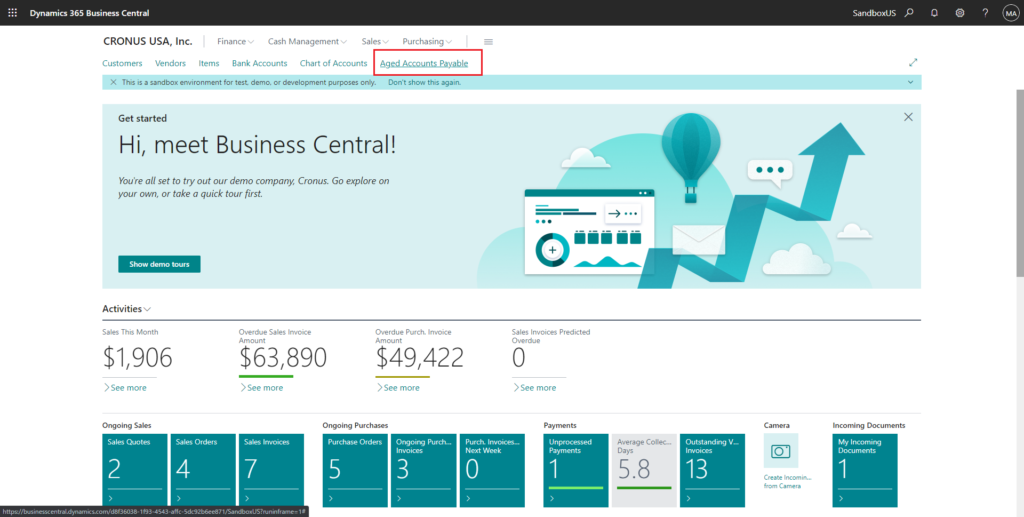
The best thing about this ERP is:
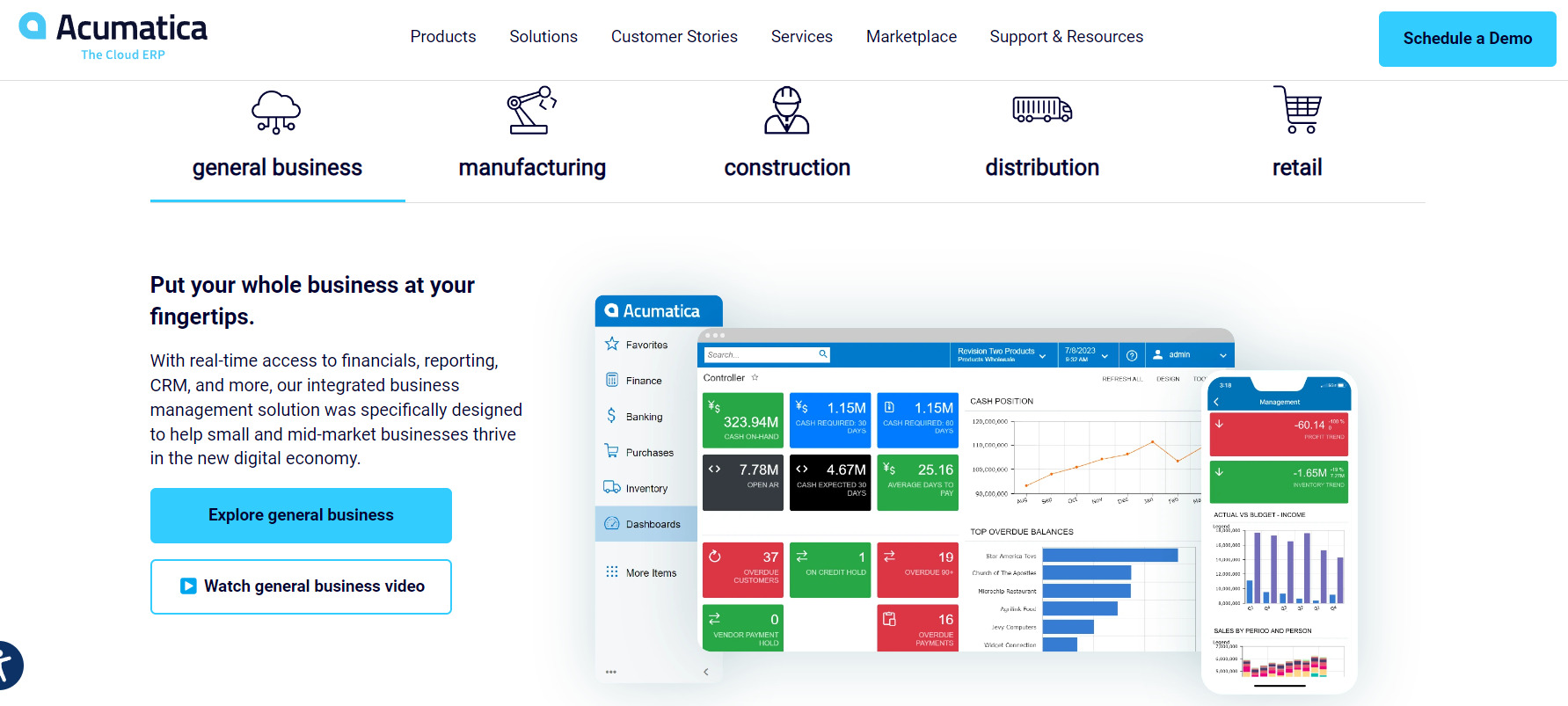
The Acumatica framework serves as the basis for MYOB Advanced, a localised version of Acumatica intended for the Australian and New Zealand markets. With more than 6,000 users, including well-known brands like Coca-Cola and JetBlue, Acumatica has grown in popularity worldwide since its founding in 2008 as a challenge to conventional ERP systems.
Acumatica might not appear to be the market leader in Australia right now, but it is steadily gaining ground in the industry. The best thing about this ERP is:
By launching its cloud-based enterprise resource planning tools, NetSuite, now owned by Oracle, defied the conventional ERP frameworks. Today, NetSuite’s all-in-one business management suite serves over 37,000 clients globally, including several in Australia.
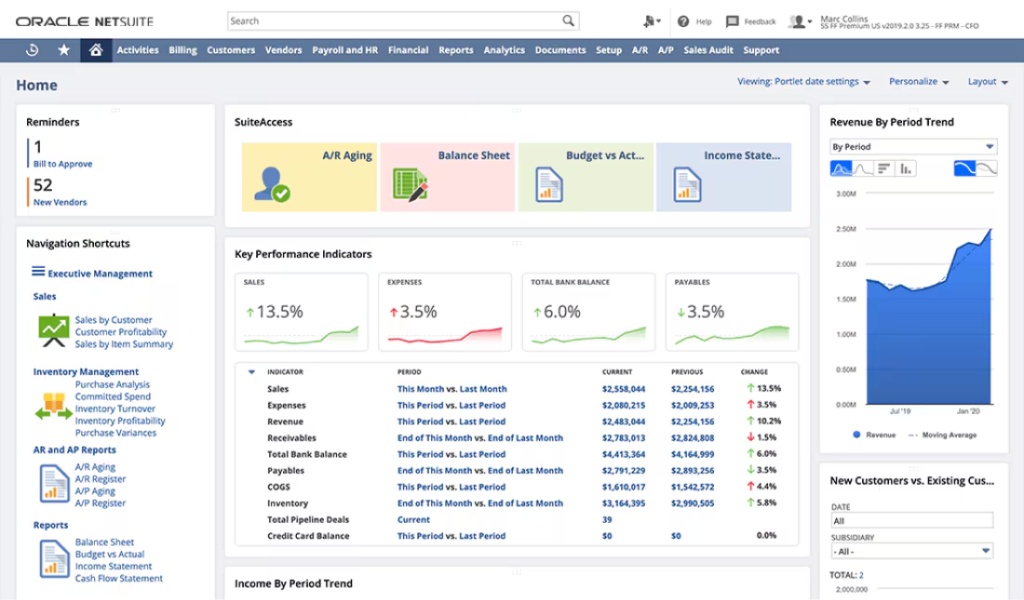
The best thing about this ERP is:
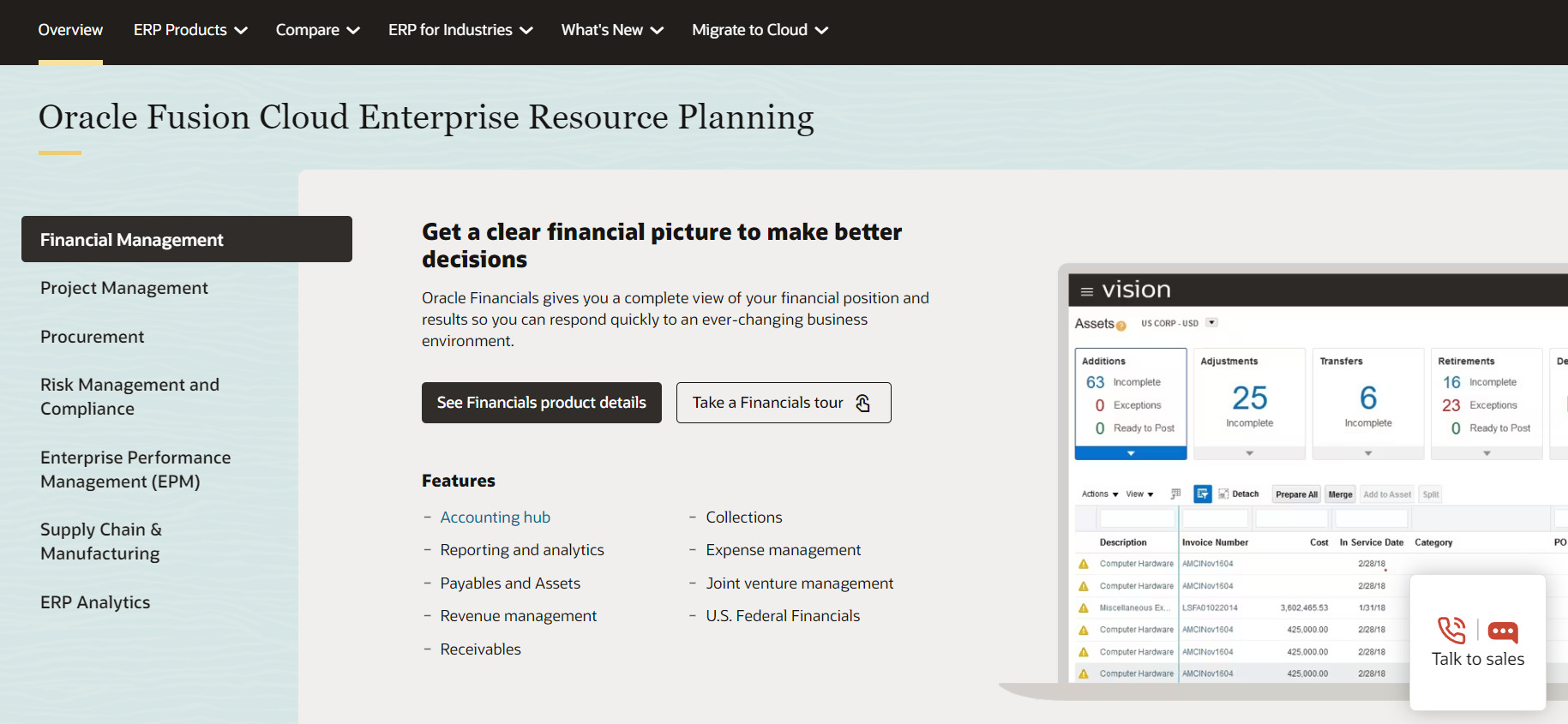
One of the most well-known ERP solutions in the world is Oracle Fusion Cloud ERP. With more than 10,000 clients from a variety of industries, it has had a significant impact. Because of its wide range of cloud-based apps on finance, supply chain, human resources, and other topics, this Cloud ERP stands out as a strong competitor in the competitive Australian market. The best thing about this ERP is:
SAP Business One, one of the most reputable ERP software used globally. It is designed especially for small and medium-sized businesses who seek to increase productivity and foster expansion. With multiple users in several industries, it has significantly influenced businesses looking for scalability and efficient management. The best thing about this ERP is:
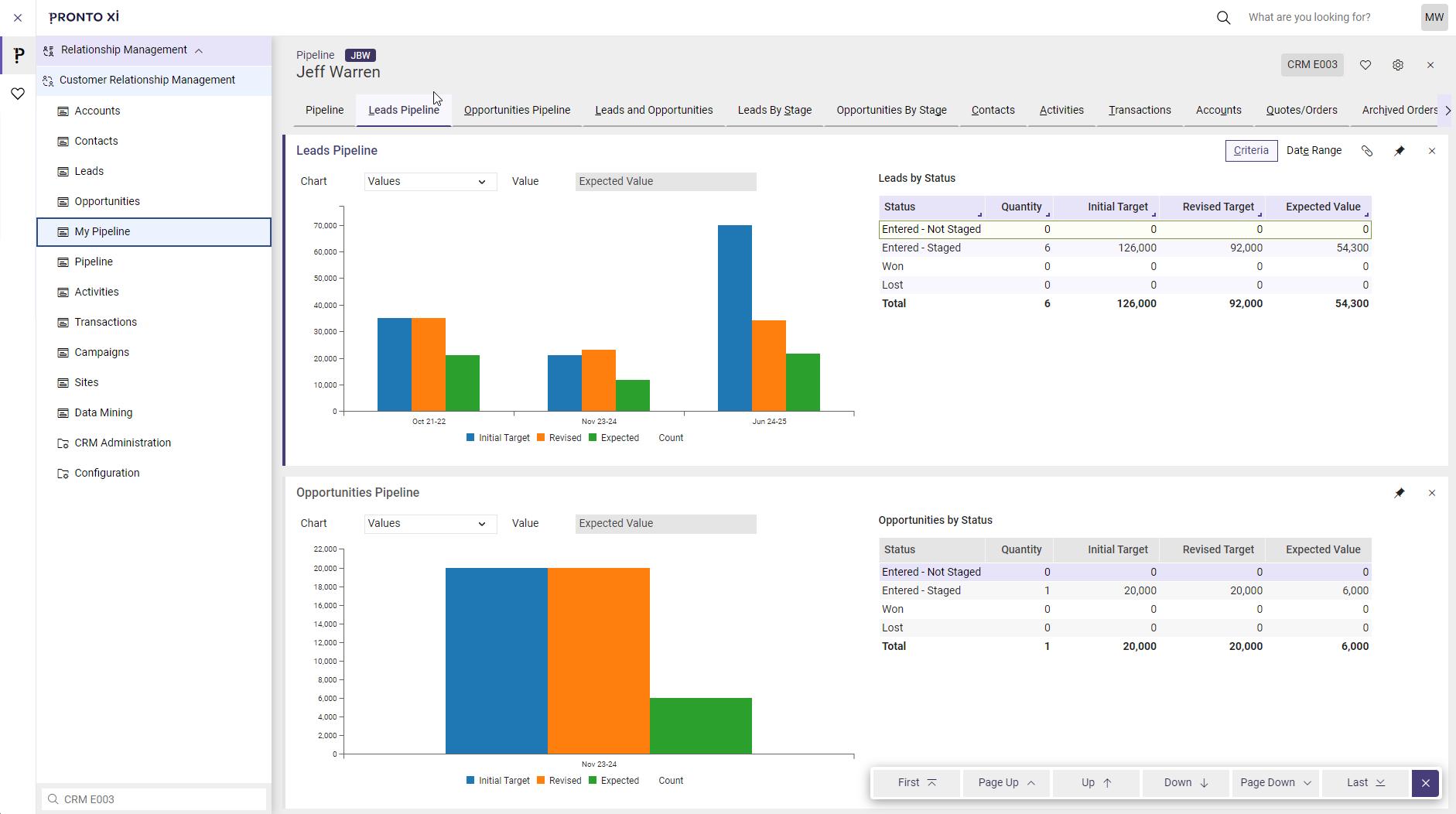
Pronto Xi, one of the top ERP systems developed in Australia, is well known for its powerful features tailored to regional business needs. With a significant presence in a number of sectors, including as manufacturing, distribution, retail, and mining, Pronto Xi has had a long-lasting effect on Australian companies looking for a flexible and integrated solution. The best thing about this ERP is:
Integrating ERP software for small businesses requires careful observation. make sure to draft an exhaustive business plan and identify any crucial requirements.
Focus on particular features and support when comparing well-known ERP solutions like Odoo, Microsoft, Acumatica, NetSuite, etc. This can help you meet your business requirements.

Get free consultation and let us know your project idea to turn it into an amazing digital product.

Se 506, 8 Help Street, Chatswood, NSW 2067
324 Queen Street, Brisbane, QLD 4000
171 Collins Street, Melbourne, VIC 3000